

In life's most our trying times, the role of a memorial director is exceptionally essential. These professionals guide families through the detailed processes of bidding farewell to a loved one, giving both physical assistance while also emotional support. While they handle the complexities of funeral planning, from organizing memorial services to handling legal paperwork, funeral directors become a vital source of solace in times of grief.
This piece aims to illuminate the emerging trends in funeral directing, showcasing the various methods in which these professionals are adapting their services to more efficiently meet the needs of grieving families. From personalizing memorial services to embracing cultural traditions, the funeral industry is witnessing a transformation focused on honoring lives as opposed to solely lamenting death. By exploring aspects such as what a funeral director does, the qualities to look for when selecting one, and how they help families process their emotions, we will gain a deeper understanding of their crucial role in our neighborhoods.
Understanding the Position of Funeral Directors
Funeral directors play a vital role in helping loved ones navigate the difficulties of loss during some of their most trying times. They are charged with managing all aspects of funeral services, from the initial arrangement to the actual memorial ceremony. This includes organizing logistics, preparing the deceased, filing essential paperwork, and ensuring that the wishes of the family are fulfilled. Their expertise allows grieving families to focus on celebrating their loved ones while navigating the sentimental and practical details of arranging a funeral.
In addition to their administrative responsibilities, funeral directors provide emotional support and empathetic care to families. They often serve as a guiding presence, offering solace and understanding during the grieving process. This aspect of their role is crucial, as they help families make important decisions regarding memorial services, burial or cremation options, and other individual touches that reflect the life of the deceased. By establishing a supportive environment, mortuary directors help families feel empowered to celebrate the life lost.
In addition, mortuary directors are trained to handle ethnic and religious traditions that may be significant to the families they serve. They are knowledgeable about various practices and customs and work diligently to incorporate these elements into the memorial services. By valuing these traditions, mortuary directors not only ensure a significant farewell but also foster a sense of connection for families in their moment of sorrow. Their devotion to understanding and embracing diverse backgrounds enhances the overall quality of care provided during such sensitive times.
Determining the Best Funeral Director
Finding the right funeral director is a crucial part in guaranteeing that you and your relatives receive the assistance required during a trying time. Start by seeking recommendations from acquaintances, loved ones, or neighborhood people who have required funeral services. In addition, check online feedback and evaluations to gain insight into various funeral directors' credibility. It's crucial to choose someone who is not only skilled but as well empathetic, as they will be guiding you through important determinations.
Once you have a selection of potential funeral directors, set up interviews to discuss your needs and learn about their services. This face-to-face meeting can provide you a sense of how at ease you feel with them. Request questions about their background, the services they deliver, and how they approach customizations for tribute services. A great funeral director should be transparent, patient, and able to listen to your family's desires and values.
In conclusion, make sure that the funeral director complies to all essential licenses and professional standards. Check Read Full Article and discuss pricing early to avoid unexpected costs later. The best funeral director should help you feel supported, valued, and acknowledged, allowing you to concentrate on celebrating your loved one’s legacy while going through the grieving process.
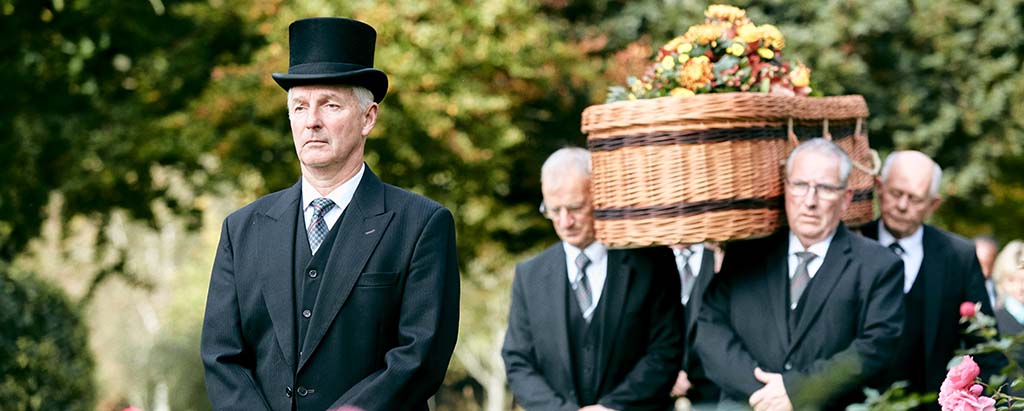
Supporting Relatives In the Midst of Loss
Mortuary professionals play a essential role in assisting relatives in one of the most times in their lives. They offer not only practical support but also emotional guidance. Understanding the grieving process, they establish a safe space for families to express their feelings and share stories. By being attentive and offering kind care, mortuary professionals help relatives work through their sorrow while celebrating the legacy of their deceased.
In providing tailored funeral services, undertakers make sure that the desires of the deceased and the desires of the family are respected. They help families in selecting meaningful elements for the ceremony, such as songs, readings, and rituals that reflect the departed's personality and beliefs. This customization not only forms a distinct memorial experience but also promotes recovery, allowing loved ones to gather and celebrate the life that was lived.
Moreover, mortuary professionals support relatives by aiding them with legal and logistical aspects associated with bereavement. They handle administrative tasks and necessary arrangements, lightening the burden during an already difficult time. By being a source of assistance, they empower loved ones to zero in on their feelings and bonds, rather than feeling overwhelmed by the operational issues. This comprehensive approach is essential to their role, guaranteeing that grieving families are cared for in a dignified and empathetic manner.